Solar + Energy Storage
How Integrated Systems Improve Efficiency, Stability, and ROI
Introduction: Why Solar Alone Is No Longer Enough
Solar energy has become one of the fastest-growing power sources globally.
However, solar generation alone has a fundamental limitation:
It produces energy when it is not always needed.
This mismatch between generation and demand leads to inefficiencies, curtailment, and reduced financial returns.
Energy storage addresses this gap — transforming solar from an intermittent energy source into a controllable and reliable system.
The Core Problem: Intermittency and Mismatch
Solar systems face several inherent challenges:
- Energy production peaks during midday
- Energy demand often peaks in the evening
- Grid constraints limit energy export
- Electricity prices fluctuate throughout the day
As a result:
- Excess energy is wasted or sold at low prices
- Grid instability increases
- System efficiency decreases
The Role of Energy Storage in Solar Systems
Energy storage introduces time flexibility into solar systems.
Instead of using or exporting energy immediately, storage allows:
- Energy shifting across time
- Controlled energy dispatch
- Improved alignment with demand
This fundamentally changes how solar systems operate.
How Solar + Storage Systems Work (Engineering View)
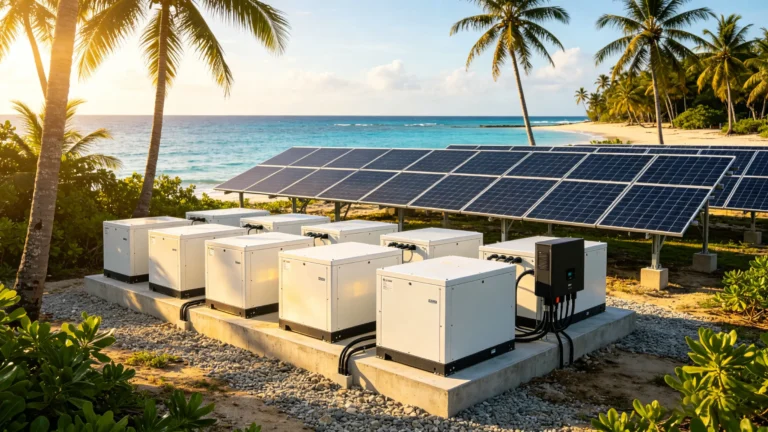
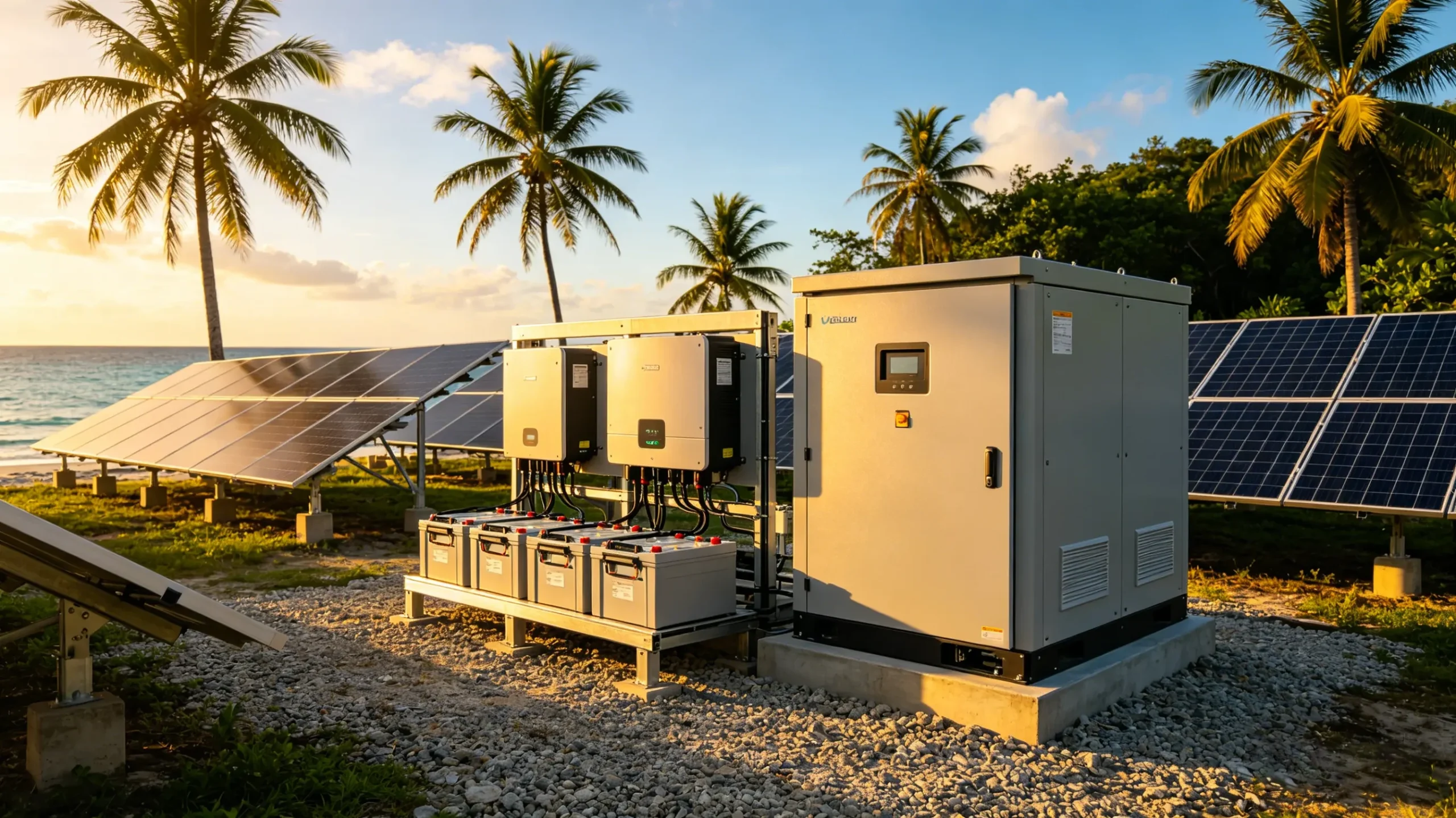
A solar + energy storage system integrates multiple subsystems:
1. Solar PV Generation
Converts sunlight into electrical energy.
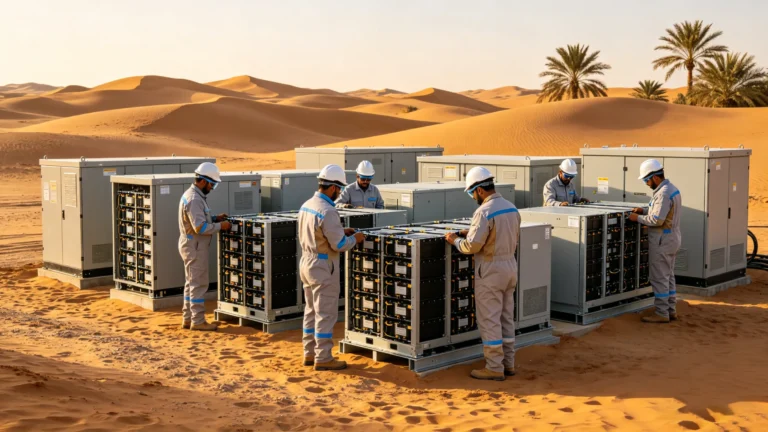
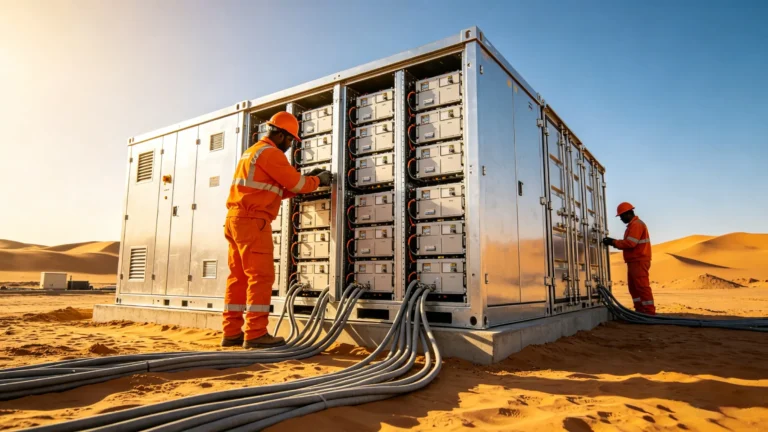
2. Battery Energy Storage System (BESS)
Stores excess energy for later use.
3. Power Conversion System (PCS)
Manages bidirectional energy flow between solar, battery, and grid.
4. Energy Management System (EMS)
Optimizes when and how energy is stored or used.
5. Grid Interface
Controls interaction with the external power network.
The system operates dynamically, continuously adjusting to:
- Solar generation levels
- Load demand
- Electricity pricing
- Grid conditions
Key Engineering Functions of Solar + Storage Systems
1. Energy Shifting
Store energy during peak solar generation and use it later.
Solves generation-demand mismatch.
2. Output Smoothing
Reduce fluctuations in solar output caused by:
- Clouds
- Weather changes
Improves grid compatibility.
3. Peak Shaving
Use stored energy during peak demand periods.
Reduces electricity cost.
4. Curtailment Reduction
Prevent loss of excess solar energy.
Maximizes system utilization.
5. Backup Power
Provide power during outages.
Improves system reliability.
Economic Impact: Why Solar + Storage Improves ROI
From a financial perspective, storage enhances solar value in multiple ways:
- Higher self-consumption rate
- Reduced energy purchase cost
- Avoidance of peak tariffs
- Increased revenue from energy dispatch
Typical result:
- ROI improvement of 20–40% depending on system design
Technical Challenges in Solar + Storage Integration
1. System Sizing
Determining the right ratio between:
- Solar capacity
- Battery capacity
Oversizing or under sizing reduces efficiency.
2. Control Strategy
Optimizing charge/discharge cycles based on:
- Load profile
- Tariff structure
- Weather conditions
3. Battery Lifecycle Management
Balancing:
- Performance
- Degradation
- Long-term reliability
4. Grid Compliance
Meeting local grid requirements:
- Voltage control
- Frequency response
- Export limits
Applications of Solar + Energy Storage
Solar + storage systems are widely used in:
- Residential energy systems
- Commercial buildings
- Industrial facilities
- Solar farms
- Microgrid and off-grid systems
Future Trends in Solar + Storage Systems
AI-Based Optimization
Predictive energy management based on usage patterns.
Hybrid Energy Systems
Integration with EV charging and microgrids.
Grid-Interactive Systems
Storage systems actively supporting grid stability.
Higher Energy Density Batteries
Improving system efficiency and reducing footprint.
Why Solar + Storage Is Becoming Standard
As energy systems evolve, solar-only installations are becoming less competitive.
Solar + storage enables:
- Greater energy control
- Improved system efficiency
- Higher economic returns
Solar energy alone generates power —
but when combined with storage, it becomes:
controllable, reliable, and economically optimized
From an engineering perspective, solar + storage systems represent the next stage of energy system evolution.
FAQ
What is solar energy storage?
It is a system that stores solar energy in batteries for later use.
Why add batteries to solar systems?
To store excess energy, reduce costs, and improve reliability.
Is solar + storage worth it?
Yes, it improves energy efficiency and ROI.
How much battery is needed for solar?
It depends on energy usage, solar size, and application.
Where is solar + storage used?
Homes, businesses, solar farms, and off-grid systems.