Complete Guide to Battery Energy Storage System
In the rapidly evolving renewable energy landscape, Battery Energy Storage Systems (BESS) have transitioned from a niche luxury to a critical infrastructure requirement. Whether you are an EPC contractor, a utility-scale project developer, or a large-scale commercial industrial (C&I) distributor, understanding the technical architecture and financial logic of BESS is essential for long-term project bankability. This guide provides a deep-dive analysis into the technology, safety, and strategic selection of energy storage.
What is a Battery Energy Storage System BESS?
A Battery Energy Storage System (BESS) is an integrated power electronics solution designed to capture energy from various sources—such as the power grid, solar PV arrays, or wind turbines—and store it in electrochemical cells for later distribution.
Unlike traditional backup generators, a BESS is a dynamic asset. It does not merely provide emergency power; it performs complex grid services including peak shaving, load shifting, and frequency regulation. In 2026, BESS technology has become the cornerstone of the "Energy Internet," enabling the transition from centralized fossil fuel power to decentralized, resilient, and renewable-heavy smart grids.
How do Battery Energy Storage Systems Work
The operation of a BESS is a sophisticated cycle of energy conversion managed by high-speed digital controllers. The process follows three distinct phases:
-
Charging Phase: When energy production exceeds demand (e.g., peak solar hours) or during low-tariff off-peak periods, the system pulls AC power from the source. The Power Conversion System (PCS) acts as a bi-directional inverter, converting AC into DC to charge the battery modules.
-
Storage Phase: The energy is held within the lithium-ion cells. During this phase, the Battery Management System (BMS) constantly monitors the State of Charge (SoC), voltage, and thermal health to ensure the cells remain within their optimal operating window.
-
Discharging Phase: When the grid requires support or when a factory hits its "peak demand" threshold, the BMS triggers a discharge. The DC power flows back through the PCS, is converted into high-quality AC power, and is synchronized perfectly with the grid’s voltage and frequency to supply the load.
Types of Battery Energy Storage Systems
BESS architecture is categorized by its application scale and grid connection point:
-
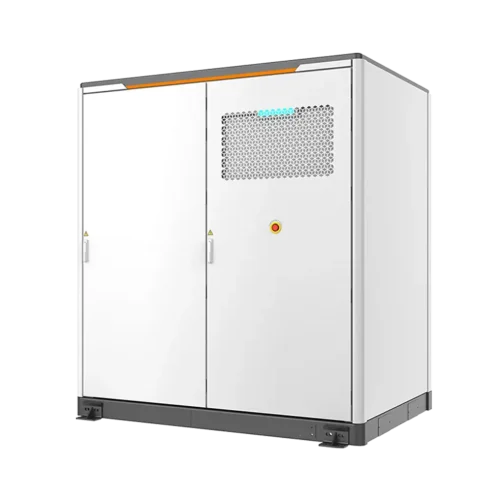
Utility-Scale BESS (Front-of-the-Meter): Massive installations (often 5MWh to GWh scales) connected directly to the transmission or distribution grid. These are used for grid stability, renewable energy time-shifting, and replacing "peaker" gas plants.
-
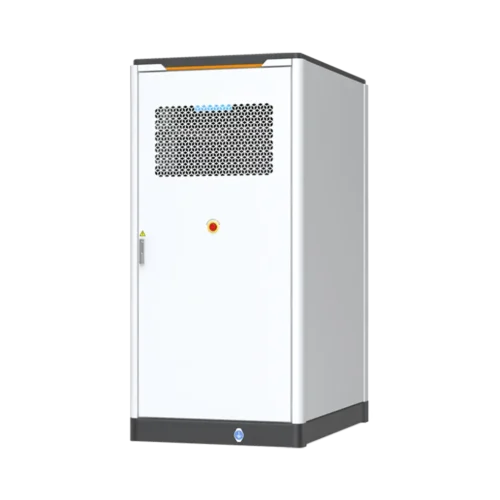
Commercial & Industrial (C&I) BESS: Behind-the-meter systems designed for factories, hospitals, and data centers. Their primary goal is demand charge reduction and ensuring power quality.
-
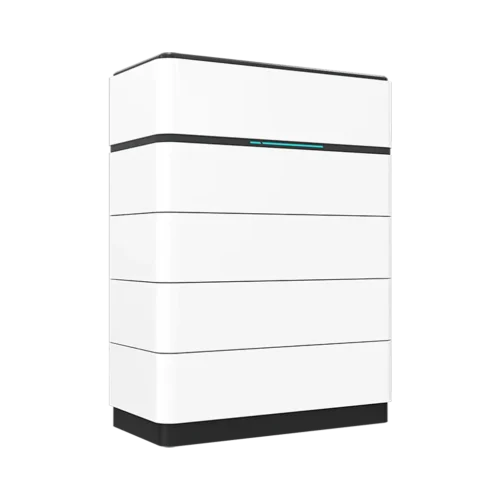
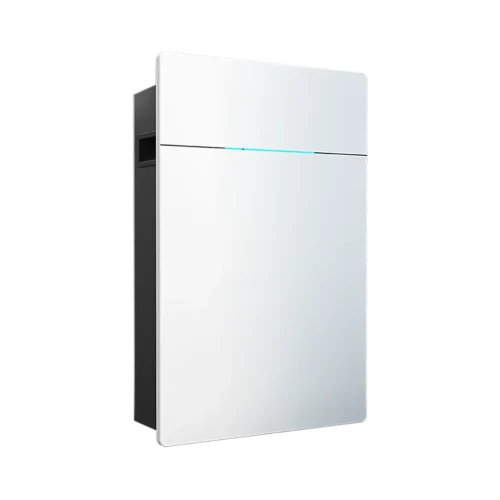
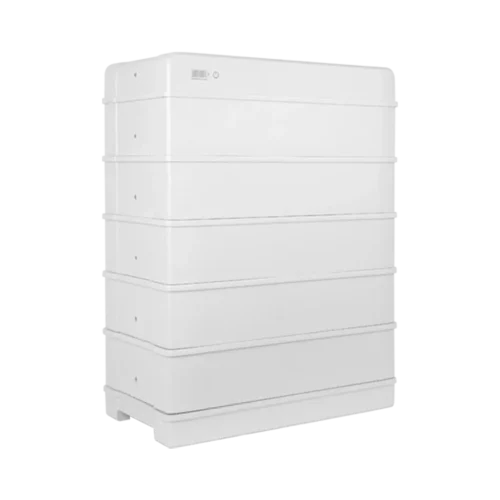
Residential BESS: Smaller-scale systems (5kWh–30kWh) designed for homeowners to maximize solar self-consumption and provide domestic backup.
-
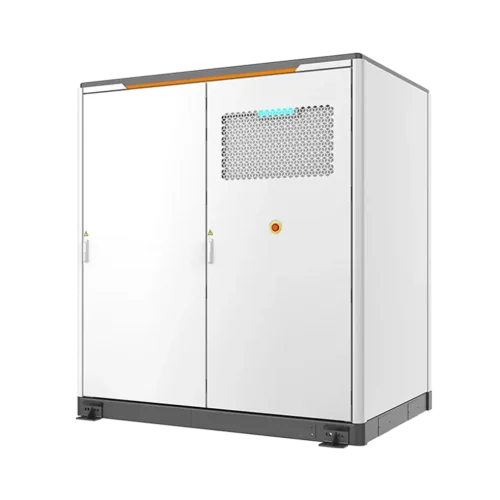
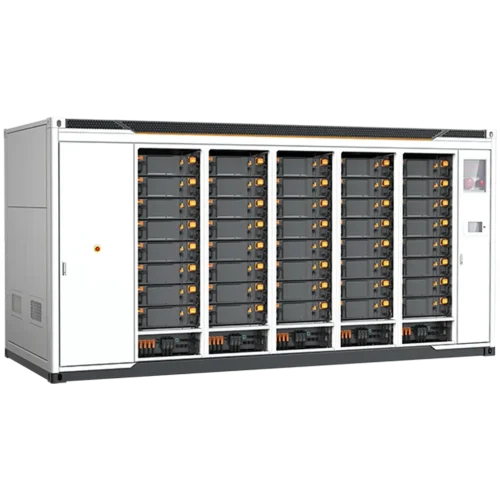
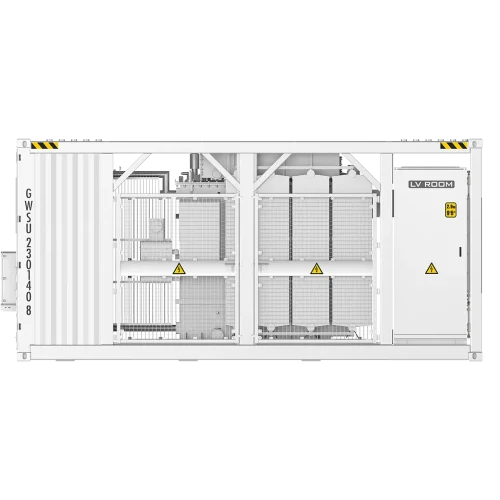
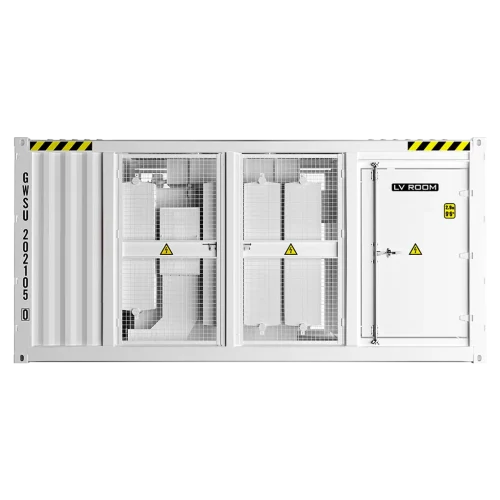
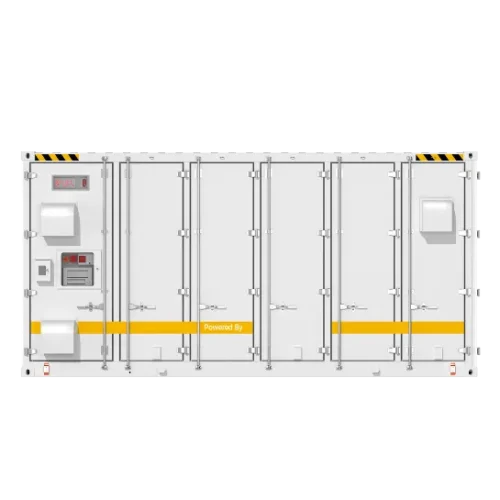
Containerized BESS: A modular, "plug-and-play" solution where batteries, PCS, cooling, and fire suppression are pre-installed in a 20ft or 40ft ISO container for rapid deployment in large-scale projects.
Battery Technologies Comparison: LFP vs. NMC vs. Solid-State
| Feature |
LFP (Lithium Iron Phosphate) |
NMC (Nickel Manganese Cobalt) |
Solid-State (Emerging) |
| Safety |
Highest (Strong P-O bonds) |
Moderate (Oxygen release risk) |
High (Non-flammable) |
| Cycle Life |
6,000 – 10,000 cycles |
2,000 – 4,000 cycles |
TBD |
| Energy Density |
Moderate |
High |
Extremely High |
| Cost (2026) |
Lowest (Most Bankable) |
High (Cobalt/Nickel volatility) |
Very High (Prototype stage) |
| Best For |
Utility & C&I Storage |
Space-constrained EVs |
Future Premium Storage |
Verdict: For 95% of BESS projects, LFP is the superior choice due to its safety profile and lower LCOS (Levelized Cost of Storage).
Safety Standards & Compliance
Safety is the non-negotiable pillar of BESS procurement. Global markets now require strict adherence to:
-
UL 9540 / 9540A: The primary safety standard for ESS. 9540A specifically tests for large-scale fire propagation to ensure a single cell failure doesn't destroy the entire site.
-
IEC 62619: Specifies requirements and tests for the safe operation of secondary lithium cells and batteries used in industrial applications.
-
NFPA 855: The standard for the Installation of Stationary Energy Storage Systems, focusing on fire protection and spacing.
-
UN 38.3: Crucial for international shipping safety of lithium battery modules.
Buying Guide to BESS
To navigate the complexities of procurement, sizing, and ROI calculation, visit our Ultimate Buying Guide to BESS (2026 Edition)
for an in-depth strategic breakdown.
How to Choose a BESS Supplier
In a crowded market, choosing the right manufacturer is the difference between a 20-year asset and a 5-year liability. Evaluate your supplier based on these B2B criteria:
-
R&D and Vertical Integration: Does the supplier manufacture their own BMS and PCS? Suppliers who control the "software-hardware" interface (like Moneypro Energy) offer much better system stability.
-
Bankability & Insurance: Can the supplier provide 3rd-party performance insurance (e.g., Munich RE or Ariel Re)? This is critical for securing project financing.
-
Local Support & O&M: Ensure the supplier has a regional service network. A BESS is a live asset; you need a partner who can provide remote monitoring and on-site commissioning within 48 hours.
-
Reference Projects: Ask for Case Studies in your specific climate or grid type. Real-world data is the only proof of a system’s true degradation rate.
Ready to de-risk your energy transition?
As a Tier-1 manufacturer, China Moneypro Energy provides factory-direct, liquid-cooled BESS solutions designed for the most demanding global markets.
Request a Wholesale Quote