Energy Storage Industry
Market Trends, Technology Evolution, and Future Outlook
Introduction: From Emerging Technology to Core Infrastructure
The energy storage industry has rapidly evolved from a niche technology sector into a critical pillar of modern energy systems.
Driven by renewable energy integration, grid modernization, and electrification, energy storage is now transitioning from optional deployment to essential infrastructure.
Energy storage is no longer an accessory —
it is becoming a core component of global energy systems.
Global Market Growth and Expansion
Over the past decade, the energy storage market has experienced exponential growth.
Key drivers include:
- Rapid expansion of solar and wind energy
- Increasing demand for grid stability
- Electrification of transportation (EVs)
- Rising energy costs and demand for optimization
Market analysts project continued strong growth across:
- Utility-scale storage
- Commercial and industrial (C&I) applications
- Distributed energy systems
Key Segments of the Energy Storage Industry
The industry is structured across several major segments:
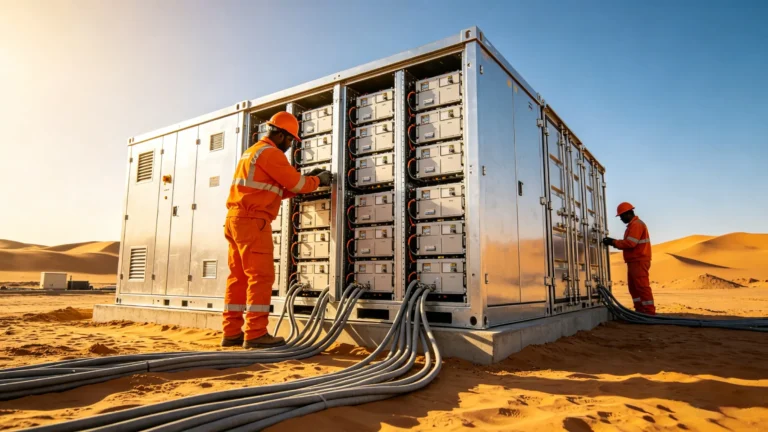
1. Utility-Scale Energy Storage
- Large-scale grid support systems
- Focus on stability, frequency regulation, and renewable integration
2. Commercial & Industrial (C&I) Storage
- Cost optimization and peak shaving
- Fast-growing and ROI-driven segment
3. Residential Energy Storage
- Solar self-consumption and backup power
- Driven by energy independence trends
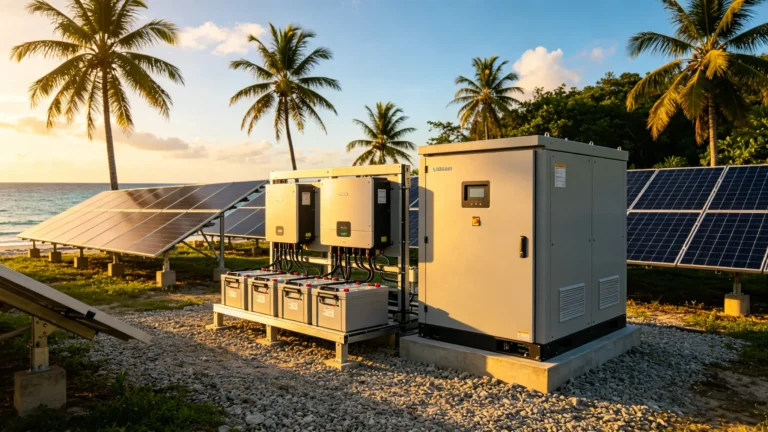
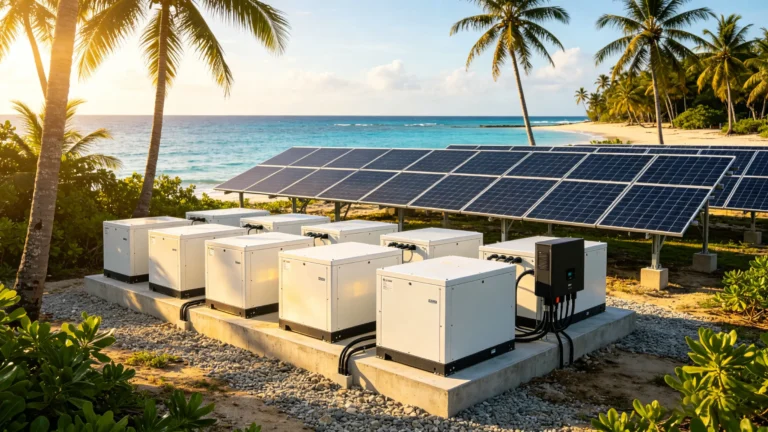
4. Microgrid and Off-Grid Systems
- Energy access and reliability
- Critical for remote and developing regions
5. EV Charging and Infrastructure Integration
- Supporting rapid EV adoption
- Managing high power demand
Technology Evolution in Energy Storage
1. Lithium-Ion Dominance
Lithium-ion batteries, especially LFP (Lithium Iron Phosphate), dominate the market due to:
- High safety
- Long cycle life
- Competitive cost
2. System-Level Integration
Modern energy storage is shifting from component-based design to:
Fully integrated systems (ESS + PCS + EMS + BMS)
3. Grid-Forming Technology
Energy storage systems are evolving from passive systems into:
- Active grid stabilizers
- Virtual power plants (VPPs)
- Distributed energy resources (DERs)
4. AI and Digitalization
Advanced control systems are enabling:
- Predictive energy optimization
- Real-time system management
- Data-driven performance improvement
Economic Drivers of the Industry
Energy storage adoption is strongly driven by economics:
1. Declining Battery Costs
Battery prices have significantly decreased over the past decade.
2. Increasing Electricity Price Volatility
Creates opportunities for energy arbitrage and optimization.
3. Policy and Incentives
Government support accelerates deployment globally.
4. ROI-Driven Deployment
Especially in commercial and industrial sectors.
Energy storage is increasingly justified by financial returns, not just technical necessity.
Challenges Facing the Industry
Despite rapid growth, several challenges remain:
1. System Integration Complexity
Requires advanced engineering and control strategies.
2. Safety and Reliability Concerns
Thermal management and system protection remain critical.
3. Standardization vs Customization
Balancing scalable products with application-specific needs.
4. Supply Chain Constraints
Battery materials and component availability impact growth.
Competitive Landscape
The global energy storage industry includes a mix of players:
- Technology providers
- System integrators
- Battery manufacturers
- Energy companies
Leading companies are increasingly focusing on:
- System integration capabilities
- Software and control systems
- Large-scale project deployment
Future Outlook: Where the Industry Is Heading
The next phase of the energy storage industry will focus on:
1. Grid-Level Integration
Storage becoming a core grid asset.
2. Decentralized Energy Systems
Growth of distributed and microgrid solutions.
3. Intelligent Energy Networks
AI-driven optimization and control.
4. Hybrid Energy Ecosystems
Integration with solar, EV, and smart infrastructure.
Strategic Importance of Energy Storage
Energy storage is positioned at the intersection of:
- Renewable energy
- Power infrastructure
- Digital energy systems
It is one of the most critical technologies enabling the global energy transition.
The energy storage industry is evolving rapidly, driven by both technological innovation and economic necessity.
From grid-scale infrastructure to distributed applications, energy storage is reshaping how energy is generated, managed, and consumed.
The future energy system will not function without energy storage —
it will be built around it.
FAQ
What is the energy storage industry?
It includes technologies and systems used to store energy for later use.
Why is the energy storage market growing?
Due to renewable energy, EV adoption, and grid modernization.
What is the most common energy storage technology?
Lithium-ion battery systems.
What are the main applications of energy storage?
Utility-scale, commercial, industrial, residential, and EV charging.
What is the future of energy storage?
More integration, intelligence, and large-scale deployment.