
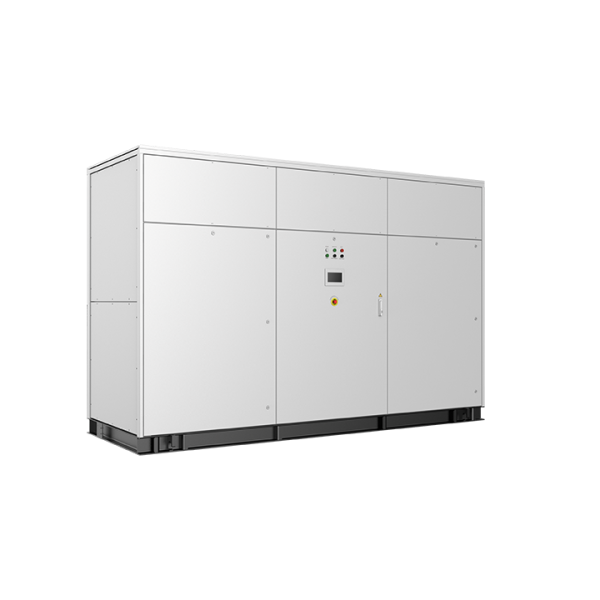
MP-AC/DC Rectifier-9284
AC/DC Rectifier
The China Moneypro AC/DC Rectifier is a high‑performance power conversion solution designed to support green hydrogen production systems. By converting AC grid power into clean DC power with low harmonic distortion and high efficiency, it provides a stable and grid‑friendly DC supply for electrolyzers (such as PEM and alkaline systems), helping ensure reliable and efficient hydrogen generation.
Grid‑Friendly, Efficient & Reliable Power Conversion for Hydrogen Systems
The China Moneypro AC/DC Rectifier is a high‑performance power conversion solution designed to support green hydrogen production systems. By converting AC grid power into clean DC power with low harmonic distortion and high efficiency, it provides a stable and grid‑friendly DC supply for electrolyzers (such as PEM and alkaline systems), helping ensure reliable and efficient hydrogen generation.
Optimized for Hydrogen Electrolysis
Reliable Power Supply for Electrolyzers
-
Low grid impact: Low current distortion (THDi < 3 %), high power factor (PF > 0.99) and reactive power support (Q > 40 %) minimize stress on power networks.
-
Rapid dynamic response: Responds to input changes in < 100 ms, enhancing compatibility with variable renewable energy sources like solar and wind.
-
High conversion efficiency: Over 97.5 % DC power conversion ensures minimal energy loss during rectification.
Benefits:
-
Enables smooth grid integration of hydrogen production systems.
-
Supports consistent DC power delivery to electrolyzers for stable hydrogen generation.
Robust & Flexible Design
Engineered for Industrial Hydrogen Applications
-
Intelligent cooling: Options for air or liquid cooling maintain optimal temperature under heavy loads.
-
IP65 protection rating: Suitable for challenging on‑site environments, including outdoor or semi‑outdoor installations.
-
Modular design: Simplifies system scalability and maintenance.
Advantages:
-
Improves operational resilience in varied climatic and site conditions.
-
Modular structure enhances flexibility for different hydrogen production scales.
Why Choose China Moneypro AC/DC Rectifier?
-
Grid‑Friendly Performance: High power factor and low harmonic distortion reduce grid stress and support renewable‑rich electricity systems.
-
Fast Dynamic Response: Rapid adjustment to power fluctuations improves performance with variable energy sources like PV and wind.
-
High Conversion Efficiency: Efficient AC‑to‑DC conversion lowers energy loss and improves overall system energy economy.
-
Robust Design: Intelligent cooling and IP65 protection ensure reliability in demanding hydrogen production environments.
-
Modular & Scalable: Flexible architecture supports integration with different electrolyzer platforms and system sizes.
Key Features
-
THDi < 3 % – Low input harmonic distortion.
-
PF > 0.99 – Excellent power factor for grid compatibility.
-
Q > 40 % – Reactive power support to adapt to network conditions.
-
Dynamic Response < 100 ms – Fast adaptation to input variations.
-
Conversion Efficiency > 97.5 % – High‑efficiency power conversion.
-
IP65 Protection & Intelligent Cooling – Reliable operation in industrial environments.
-
Modular Design – Scalable for different electrolyzer capacities.
Typical Applications
-
Green Hydrogen Production Systems: Providing rectified DC power for ALK water electrolysis equipment and PEM water electrolysis equipment.
-
Hybrid Renewable Hydrogen Plants: Supporting hydrogen production coupled with wind, solar, or hybrid power supplies.
-
Grid‑Connected Electrolyzer Sites: Enhancing grid friendliness and compliance for utility hydrogen projects.
-
Industrial Hydrogen Facilities: Large‑scale hydrogen generation processes requiring stable and efficient DC supply.
FAQ – Common Questions
Q1: What is the main purpose of the AC/DC Rectifier in hydrogen systems?
It converts AC grid power into high‑quality DC power for feeding hydrogen electrolyzers, improving grid friendliness and ensuring stable electrolysis input.
Q2: How does it handle grid fluctuations?
With fast dynamic response (< 100 ms) and a wide reactive power support range, it adapts quickly to changes in grid conditions or renewable inputs.
Q3: Is the rectifier energy efficient?
Yes — its high conversion efficiency of over 97.5 % helps reduce energy losses during AC‑to‑DC conversion.
Q4: Can it be used outdoors?
Yes — the IP65 protection rating and intelligent cooling options make it suitable for industrial and outdoor deployment.
Q5: What systems can this rectifier support?
It is suitable for a range of hydrogen production systems, including alkaline and PEM electrolyzers, and renewable integration scenarios.
Specifications
| Parameter | Specification (Model SHR5700) | Specification (Model SHR5540) |
|---|---|---|
| Input (AC) | ||
| Rated grid voltage | 530V | 500V |
| Grid voltage range | 477~583V | 450~550V |
| Maximum input current | 4*1765A | 2*3640A |
| Rated grid frequency | 50Hz | 50Hz |
| Grid frequency range | 45 Hz ~55Hz | 45 Hz ~55Hz |
| Total current distortion rate | <3% (at maximum power) | <3% (at maximum power) |
| Power factor | >0.99 | >0.99 |
| Output (DC) | ||
| Maximum output power | 5700kW | 5540kW |
| Maximum output voltage | 820V | 780V |
| Maximum output current | 4*2200A | 2*6000A |
| Operating voltage range | 0~820V | 0~780V |
| Output current accuracy | ≤0.50% maximum output current | ≤0.50% maximum output current |
| Dynamic response time | <0.1s | <0.1s |
| Output control mode | Voltage control, current control, power control | Voltage control, current control, power control |
| Protection | ||
| Fault interlock protection | Yes | Yes |
| AC insulation test | Yes | Yes |
| Other functions | ||
| Reactive power compensation function | Yes | Yes |
| Automatic recognition of AC phase sequence | Yes | Yes |
| General parameters | ||
| Protection grade | IP65 | IP54 |
| Cooling | Temperature controlled forced air cooling | Liquid cooling |
| Operating temperature range | -30°C~+60°C (>+45°C derating) | -30°C~+45°C |
| Compliance | IEC 62477-1:2012+A1:2016/EN, IEC 61000-6-2:2019/EN, IEC 61000-6-4:2019, IEC 61000-6-2:2018, IEC 61000-6-4:2018 | IEC 62477-1:2012+A1:2016/EN, IEC 61000-6-2:2019/EN, IEC 61000-6-4:2019, IEC 61000-6-2:2018, IEC 61000-6-4:2018 |
Related products
-
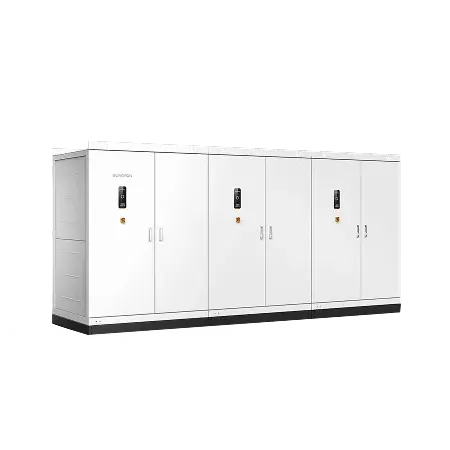
MP-DC/DC converter-7467
The China Moneypro DC/DC Converter is a high‑efficiency direct DC power converter designed to support off‑grid hydrogen production systems by providing…